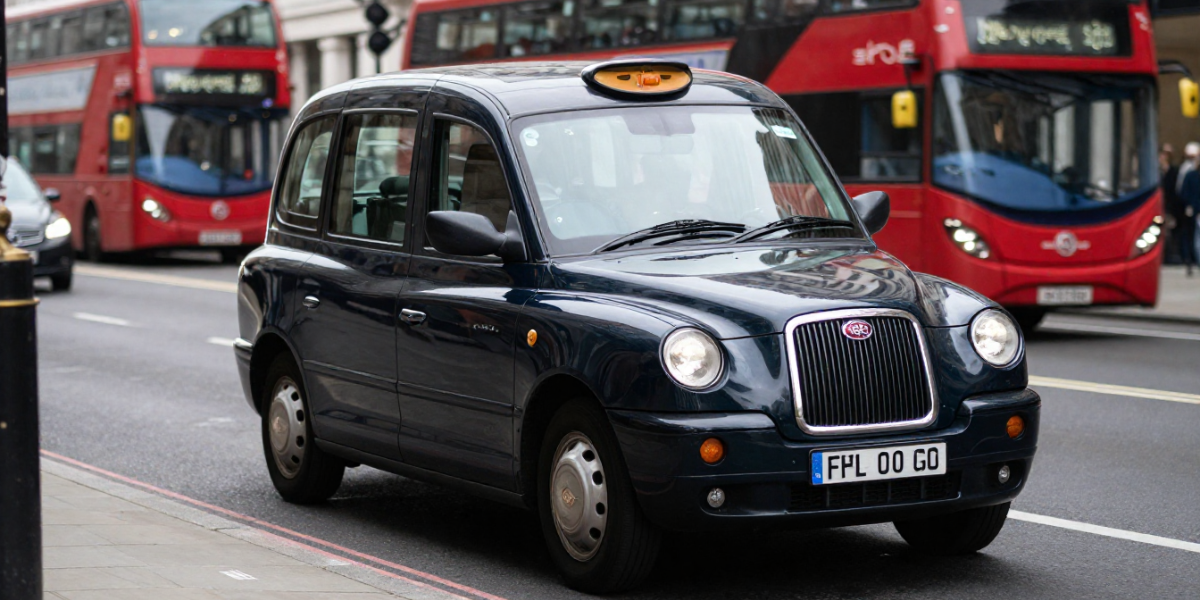
Urban travel in the UK relies on a mix of transport options that serve different needs. Buses, trains, trams, and taxis all move people through towns and cities every day. Yet taxis often sit in a grey area, leading many people to ask how they fit into the wider transport system and how they should be classified.
This blog looks closely at how taxis operate in UK cities and towns, how they differ from traditional shared services, and why they remain a vital part of local mobility in specific service areas.
What Defines Public Transport in the UK?
Public transport in the UK usually refers to shared services that run on fixed routes and schedules. Buses stop at designated points, trains follow set timetables, and trams operate within defined networks. These services are regulated, licensed, and designed to move large numbers of people efficiently.
Local authorities often support these systems through planning, infrastructure, and fare controls. The aim is to provide affordable and accessible travel for the public across residential, commercial, and regional routes.
How Taxis Operate Differently
Taxis work in a more flexible way. They do not follow fixed routes or timetables and instead respond directly to passenger requests. Licensed taxis and private hire vehicles are still regulated by councils, but the experience is personalised rather than shared.
This flexibility allows taxis to serve areas that are less well-connected by buses or trains. Smaller towns, business parks, and residential zones benefit from on-demand transport that adjusts to real-time needs rather than fixed schedules.
Is a Taxi Considered Public Transport?
The question of whether a taxi is a public transport service often depends on perspective. From a regulatory point of view, taxis are licensed passenger services available to the public, which places them within the wider transport ecosystem. From an operational view, they do not match the shared, route-based model that defines buses and trains.
In practice, taxis sit alongside public transport rather than fully inside it. They fill gaps, provide connections, and support journeys that standard services cannot easily cover.
The Role of Taxis in Urban and Regional Areas
· Supporting First and Last Mile Travel
Many journeys start or end in locations not directly served by bus stops or stations. Taxis bridge this gap, offering reliable connections between homes, workplaces, and transport hubs.
In service areas close to airports and rail links, taxis play a major role in making longer journeys practical. For example, an airport transfer in Luton often depends on taxi services to connect passengers from surrounding towns at times when buses or trains are limited.
· Serving Areas with Limited Routes
Not all towns have dense public transport networks. In suburban areas, taxi services provide essential mobility for residents who may not drive or who need travel outside normal operating hours.
This makes the taxi transport service model particularly important in locations with mixed residential and commercial development, where travel demand changes throughout the day.
Shared Taxis and Their Impact
Some councils have introduced shared taxi schemes to improve access while keeping costs manageable. These services allow multiple passengers to share a vehicle on similar routes, blending features of taxis and buses.
While not widespread, shared taxis show how flexible transport can adapt to local needs. They also highlight how taxis can support public transport goals without replacing existing services.
Regulation and Licensing Standards
All taxis and private hire vehicles in the UK operate under strict licensing rules set by local councils. Drivers undergo background checks, vehicles meet safety standards, and fares are either regulated or clearly agreed in advance.
This regulation ensures taxis remain a trusted option for public travel. Although the experience differs from buses or trains, the legal framework aligns taxis with other passenger transport services.
Are Taxis considered Public Transport in Practice?
The question of whether taxis are public transport does not have a simple yes or no answer. Taxis do not replace shared systems, but they do serve the public and operate under public authority oversight.
In many towns, taxis are essential during early mornings, late nights, and periods of disruption. When buses stop running or trains face delays, taxis maintain movement across key routes.
This supportive role explains why taxis are often included in local transport planning discussions, especially in areas with growing populations or changing travel patterns.
The Relationship Between Taxis and Other Services
· Complementing Buses and Trains
Rather than competing directly, taxis often work alongside other modes. Passengers may use a train for the main part of a journey and a taxi for the final stretch.
This integration improves overall accessibility and reduces reliance on private cars. It also helps manage congestion by offering alternatives to single-occupant vehicle use.
· Flexibility During Disruptions
Road closures, weather events, and service cancellations can disrupt fixed route transport. Taxis respond quickly to these changes, rerouting as needed and maintaining local mobility.
This adaptability strengthens the overall resilience of urban transport systems.
Local Focus on Service Areas
In towns across Hertfordshire and surrounding regions, taxis support daily travel for work, healthcare, education, and leisure. They serve industrial estates, retail parks, and residential developments that sit beyond main bus corridors.
Access to a cheap taxi provides residents with dependable travel for both short local trips and longer connections to regional hubs.
Public Perception and Everyday Use
Public understanding of taxis continues to evolve. Many people now see taxis as part of a broader network rather than a luxury option. App-based booking, clear pricing, and professional standards have increased trust and usage.
This shift reinforces the idea of the taxis as a public transport and a practical solution that responds to modern travel needs.
Conclusion
Taxis occupy a unique position within UK transport systems. They are regulated, widely available, and open to the public, yet they operate with a level of flexibility that sets them apart from traditional shared services. While not a direct substitute for buses or trains, taxis play a crucial supporting role in cities and towns by filling gaps, improving access, and keeping people moving when other options fall short.
We provide reliable taxi services designed around local travel patterns and real passenger needs, including access to a cheap taxi in Welwyn Garden City for everyday journeys and essential connections.