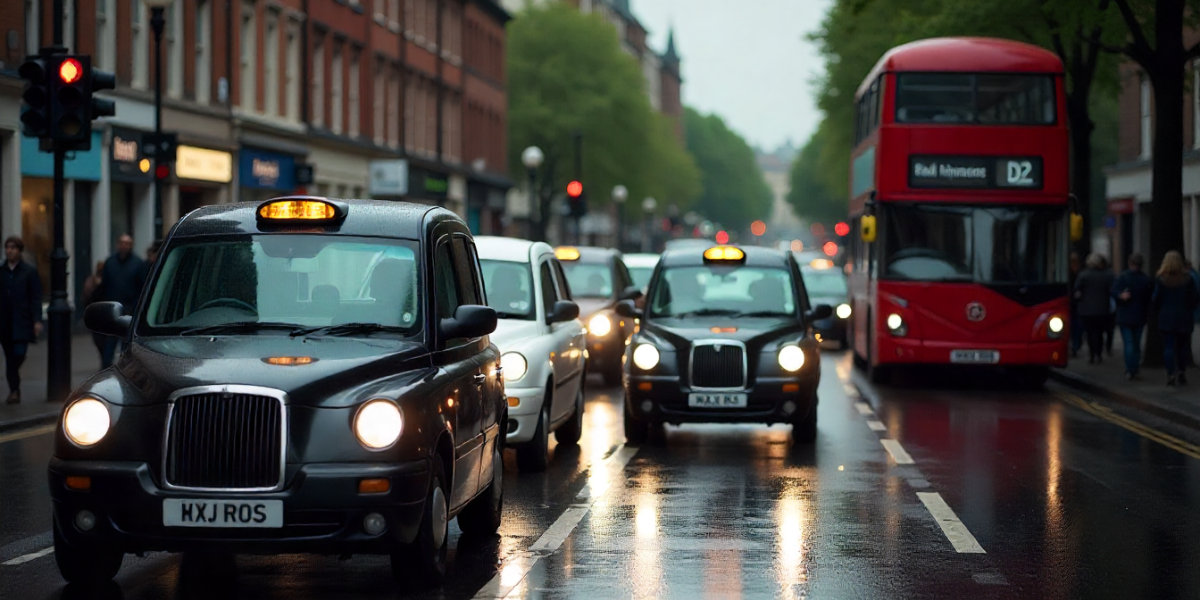
Travelling through busy towns and commuter corridors across the UK can feel unpredictable, especially in areas with strong links to airports, business parks, and regional hubs. Traffic patterns often follow clear rhythms shaped by work schedules, school runs, and freight movement. Understanding these rhythms helps reduce delays, lowers stress, and keeps journeys running smoothly.
This blog focuses on practical timing strategies based on real travel behaviour in service areas across the South East, Hertfordshire, and key regional routes.
Why Traffic Patterns Follow Predictable Cycles
Road congestion rarely happens by chance. It is influenced by working hours, delivery schedules, and public transport connections. Busy areas close to airports and business districts see sharp increases in vehicles during morning arrivals and late afternoon departures.
Local councils and transport authorities monitor traffic peak times to plan roadworks and public transport schedules. These patterns stay fairly consistent throughout the year, with slight changes during school holidays and seasonal travel periods. Knowing these cycles gives a clear advantage when planning journeys.
1. Morning Travel Windows That Save Time
· Early Morning Before the Rush
Across many commuter routes, roads remain calmer between 5:30 am and 6:45 am. During this period, commercial vehicles are active, but private car volumes remain lower. Travellers heading to regional airports or early business appointments often find this window ideal.
Additionally, public transport tends to be less crowded, allowing smoother connections for trains or buses. Taxi services also experience quicker journeys, meaning passengers can reach stations or terminals more efficiently. Planning departures during this timeframe reduces stress and increases punctuality, making it easier to stick to tight schedules. This makes early departures one of the best travel times for avoiding long queues and unpredictable delays.
· After the School Run Clears
Between 9:30 am and 11:30 am, traffic levels settle again. School drop-offs finish, and office arrivals slow down. Roads near residential areas and retail zones become noticeably clearer.
This window works well for medical appointments, client visits, and mid-morning airport travel. Drivers using this timing consistently manage to avoid traffic congestion that builds earlier in the day.
2. Midday Travel in Commercial Zones
Midday traffic varies by location. Areas with shopping centres, logistics hubs, or industrial estates may see steady movement from delivery vehicles. However, private car use stays moderate.
From 11:30 am to 2:30 pm, many routes experience the lowest traffic hours, especially outside town centres. For travellers moving between neighbouring towns or heading towards regional transport hubs, this period offers a balance between speed and availability.
It is also a reliable time for scheduled services such as travelling in a London City Airport taxi, pre-booked at our website, which benefits from steadier roads and fewer sudden slowdowns during this part of the day.
3. Afternoon and Evening Congestion Patterns
· The Build Up to the Evening Rush
Traffic begins to increase again from 3:30 pm onwards. School collections, early shift endings, and delivery cut-offs all contribute to rising volumes. Congestion grows steadily rather than all at once.
Travelling during this build-up period requires careful planning. Short local trips may still move smoothly, but longer journeys risk delays as roads fill.
· The Evening Rush Period
From 4:30 pm to 6:30 pm, many routes reach peak traffic times. Business parks are empty, commuter trains release passengers onto surrounding roads, and major junctions slow significantly.
This is the least reliable time to travel through busy service areas. Even minor incidents can cause extended delays. If travel during this period is unavoidable, adding extra buffer time becomes essential.
· Later Evening Calm
After 7:30 pm, roads gradually clear again. Traffic drops sharply after 9:00 pm, especially on routes connecting residential areas to commercial zones. Late evening travel suits return journeys from airports or long-distance trips arriving in regional towns.
4. Weekend Traffic Behaviour Is Different
Weekends follow a separate pattern. Saturday mornings often start quietly until around 10:00 am, when shopping and leisure trips increase. Sunday mornings remain calm for longer, with congestion peaking later in the afternoon as people return home.
Airport routes can still see steady traffic across weekends, especially during holiday seasons. Planning departures before late morning or after early evening helps maintain smoother journeys.
5. Seasonal Factors That Affect Journey Timing
Traffic patterns shift during school holidays, festive periods, and summer travel seasons. Business-related congestion reduces, while leisure travel increases.
During summer months, early mornings remain reliable, but midday traffic can rise near tourist attractions and retail parks. Winter brings weather-related delays, making off-peak travel windows even more valuable.
Local transport authority data shows that flexible timing during these periods significantly reduces journey variability.
Skip The Hassle With Us
Travelling through busy UK service areas becomes far more manageable with the right timing. Early mornings, late mornings, and later evenings consistently offer smoother journeys, while mid-afternoon and early evening require caution. Understanding local traffic rhythms allows travellers to plan confidently and reduce wasted time on the road.

Corker supports reliable travel by applying deep local knowledge and smart timing strategies across key service areas. From airport connections to regional travel, we help journeys stay on schedule without unnecessary delays. For dependable travel solutions, including airport transfers in Welwyn Garden City, we provide services designed around real traffic behaviour and local conditions.
Key Off-Peak and Cost-Saving Times In A Nutshell
- Midday: 10:00 AM – 4:00 PM (usually lowest demand).
- Late Evening: After 8:00 PM (outside of peak city, nightlife, or major event times).
- Weekends: Generally high demand, but earlier Saturday/Sunday mornings can be quieter than Friday evenings or late night.
- Best Pre-book Times: For morning, 12+ hours ahead; for airport, 24-72 hours ahead.
Major UK City Trends
- London: High black cab fares; app-based, rides are significantly cheaper during off-peak, mid-day.
- Manchester/Birmingham: Competitive, minicab, markets offer better, rates by avoiding morning/evening, rushes.
- Edinburgh: 24-hour services are available, but, off-peak, travel (10 am-4 pm) provides the best, rates, and, faster, journeys.
- General Tip: Avoid bank holidays and, special, events, which can result in, double, fares.
Smart Planning Tips for Busy Service Areas
· Use Local Traffic Data
Regional traffic reports and council updates provide accurate insights into current road conditions across service areas. These sources highlight planned roadworks, temporary restrictions, and seasonal changes, helping travellers choose better departure times and routes with greater confidence.
· Allow Time Buffers During Busy Periods
When travel cannot avoid high-volume periods, adding realistic buffer time helps reduce pressure and unexpected delays. This planning method is particularly important for airport connections, time-sensitive meetings, and journeys through areas known for congestion.
· Choose Services That Understand Local Patterns
Professional transport providers with strong local route knowledge adjust departure times based on daily traffic behaviour. This experience is especially valuable in service areas with complex junctions, school traffic, freight routes, and varying congestion levels throughout the day.