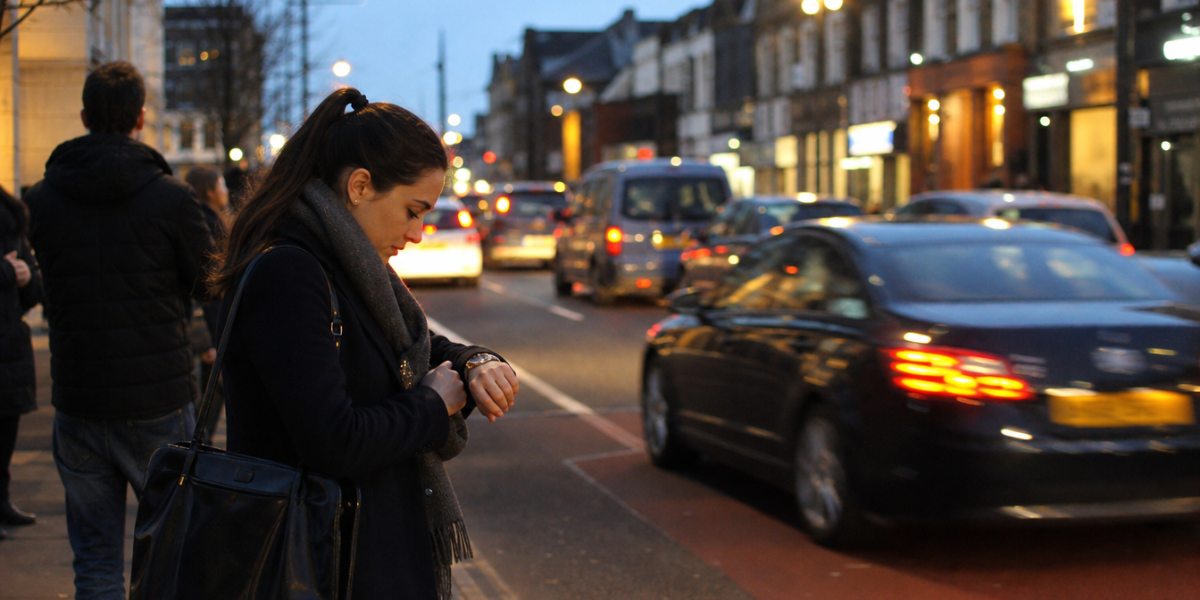
Taxi waiting times can vary based on demand, traffic conditions, driver availability, and peak travel periods in St Albans. Knowing the factors that influence delays, including busy commuting hours and increased booking volumes, helps passengers plan journeys better and choose reliable taxi services for smoother travel experiences.
Waiting for a taxi is part of everyday travel, but the time it takes for a vehicle to arrive can vary throughout the day. For passengers in St Albans, busy commuting periods, school runs, weekend events, and airport transfers can all affect taxi availability. While some journeys begin with only a short wait, others may take longer when demand increases.
Knowing what influences waiting times helps passengers plan more effectively and avoid unnecessary delays. This guide explains taxi waiting times, covering the reasons behind longer waits during busy periods and practical ways to reduce them.
Why Taxi Waiting Times Change Throughout the Day
Taxi availability is rarely the same from morning until night. Demand rises and falls as people travel to work, attend appointments, catch flights, or return home after social events.
When more passengers request taxis at the same time, drivers become busier, which naturally increases waiting times. During quieter periods, vehicles are usually available more quickly because there are fewer booking requests.
For passengers in St Albans, local traffic conditions and the number of drivers working at a particular time also play an important role.
How Long Does it Take for a Taxi to Arrive?
Many passengers ask how long it takes for a taxi to arrive because no two journeys are exactly alike. The answer depends on several factors, including the time of day, the pickup location, and the number of taxis currently available.
· During Quieter Hours
Outside busy travel periods, taxis often arrive within a short time because more vehicles are available for immediate bookings.
· During Peak Travel Times
Morning and evening commuting hours usually result in longer waiting times. More people are travelling at the same time, creating higher demand across St Albans.
· During Special Events
Local events, concerts, sporting fixtures, and community gatherings can temporarily increase taxi requests. Waiting times may become longer until demand returns to normal.
Why Are Taxis Busy At Peak Times?
Several factors contribute to why taxis are busy at peak times, especially on weekdays and weekends.
According to Taximatic, Weekday rush hours can significantly affect taxi availability and waiting times. The busiest periods are usually between 7:00 AM and 9:00 AM in the morning and 4:30 PM to 7:00 PM in the evening. Travelling during quieter periods, such as mid-morning or early afternoon, may help passengers avoid longer waits.
· Commuters Travelling To and From Work
Morning and evening commuting periods create a large number of taxi requests within a relatively short period. Drivers may already be completing pre-booked journeys, reducing the number of vehicles available for immediate bookings.
· School Collections and Daily Activities
Parents travelling to schools, shopping areas, healthcare appointments, and railway stations also increase local transport demand during certain hours.
· Airport Transfers
Airport journeys often take longer than local trips, meaning drivers spend more time completing each booking before becoming available again.
Corker’s Hatfield taxi services provide reliable transport support during busy periods, helping passengers plan their journeys better when higher demand may increase taxi waiting times.
Typical Taxi Availability During Different Times Of The Day
The table below shows how taxi availability may change during a normal weekday in St Albans.
| Time Of Day | Demand Level | Typical Waiting Time |
| Early Morning | Moderate | Short to moderate |
| Morning Rush Hour | High | Longer than usual |
| Midday | Moderate | Generally short |
| Afternoon | Moderate | Short to moderate |
| Evening Rush Hour | High | Longer than usual |
| Late Evening | Moderate to High | Depends on local demand |
Factors Affecting the Taxi Wait Time During Peak Hours
A longer taxi wait time is usually caused by increased demand rather than slower service. Taxi companies continue operating efficiently, but more passengers request vehicles within the same period.
· Heavy Traffic
Congested roads slow journeys for both passengers and drivers. Vehicles spend more time completing each booking before becoming available for the next customer.
· Higher Booking Volumes
Taxi operators may receive many booking requests at once during peak periods. This increases the time required to assign available drivers.
· Longer Journey Distances
Airport transfers and journeys outside central St Albans can occupy drivers for longer periods, reducing the number of taxis available for new bookings.
How Passengers Can Reduce Waiting Times
Although waiting times cannot always be avoided, a few simple steps can improve the chances of securing a taxi sooner.
· Book In Advance
Planning transport before travelling is often the easiest way to reduce uncertainty during busy periods. Advance bookings allow taxi companies to organise drivers more efficiently.
· Allow Extra Time
Passengers travelling to airports, business meetings, or medical appointments should leave extra time in case demand is higher than expected.
· Choose Reliable Taxi Providers
Professional taxi companies communicate estimated arrival times clearly and keep passengers informed about any delays.
Choosing the Right Time to Book a Taxi
The timing of a booking can make a noticeable difference to the overall travel experience. While on-demand bookings are convenient, advance planning is often the better option during busy periods.
· Airport Journeys
Airport transfers usually have fixed departure or arrival times. Booking ahead helps reduce uncertainty and gives passengers greater confidence that transport has been arranged.
· Important Appointments
Medical appointments, business meetings, and family events often require punctual arrival. Scheduling a taxi in advance can help avoid delays caused by increased demand.
· Weekend Evenings
Friday and Saturday evenings are often among the busiest times for taxi services. Booking earlier gives passengers a better chance of securing a vehicle at their preferred time.
Frequently Asked Questions
- Why do taxi waiting times increase during peak hours?
Higher passenger demand, heavier traffic, and more pre-booked journeys reduce the number of taxis available for immediate bookings. - How can waiting times be reduced during busy periods?
Booking a taxi in advance and allowing extra travel time can help reduce delays during peak hours. - Do weather conditions affect taxi availability?
Yes. Poor weather often increases demand for taxis and can slow traffic, leading to longer waiting times.
Bottom Line
Taxi waiting times naturally change throughout the day as demand, traffic conditions, and driver availability fluctuate. Peak travel periods often result in longer waits, but planning ahead and choosing a reliable taxi provider can make the journey much smoother.
For passengers in St Albans, understanding what affects taxi availability helps set realistic expectations and allows more effective travel planning. Booking early for important journeys remains one of the best ways to minimise waiting times and avoid unnecessary stress.
Need a quick update on your booking? Choose Corker’s Callback taxi services for fast assistance and reliable travel support.